













The global smartphone industry witnessed a surprising innovation when Chinese technology brand Honor revealed a futuristic “Robot Phone” prototype at the Mobile World Congress (MWC) 2026 in Barcelona. The experimental device merges artificial intelligence with robotics, presenting a vision of how smartphones could evolve beyond traditional touch-based devices into interactive AI companions.
Mobile World Congress is one of the largest technology events in the world where companies unveil next-generation smartphones, laptops, and connected devices. At the 2026 edition of the event, Honor attracted global attention by showcasing a prototype smartphone that includes robotic hardware integrated directly into the device. The concept highlights the company’s ambition to redefine the smartphone experience using embodied artificial intelligence and motion-enabled technology.
Unlike conventional smartphones that rely mainly on screens and voice assistants, the Robot Phone introduces physical motion as part of user interaction. The device contains a compact robotic camera system that can move and rotate using a built-in micro motor and gimbal mechanism. This allows the camera to automatically track subjects, stabilize video recordings, and adjust its angle without manual input.
One of the most eye-catching features demonstrated during the event was the phone’s AI-powered subject tracking capability. The camera can follow a person while recording video, making it easier to capture content without needing a tripod or external stabilizer. The robotic camera module can also rotate and reposition itself automatically, enabling more cinematic shots and smoother video calls.
Honor explained that the device is built around a miniature four-degree-of-freedom gimbal system, which allows precise motion control inside a smartphone body. Engineers had to redesign internal components and develop a highly compact motor in order to fit robotic movement technology inside the device. The result is a smartphone that can physically respond to users and adapt its camera perspective in real time.
Beyond camera movement, the Robot Phone is designed to interact with users in a more expressive way. According to the company, the device can perform small physical gestures such as nodding or shaking its “head” using its movable camera module. These movements allow the phone to react emotionally to commands or conversations, creating a more human-like interaction between the user and the device.
Artificial intelligence plays a central role in the system. The phone uses multimodal perception technology to recognize sounds, track movement, and maintain visual awareness of its surroundings. This combination of AI and robotic motion enables the device to respond dynamically to real-world environments rather than functioning as a static screen-based gadget.
Industry experts believe this concept reflects a broader trend in consumer electronics where companies are exploring new forms of AI-powered hardware. Instead of simply adding smarter software to existing devices, manufacturers are experimenting with technologies that combine artificial intelligence, robotics, and advanced sensors. If these experiments succeed, future smartphones could behave more like intelligent assistants that actively interact with the physical world.
While the Robot Phone remains a prototype, Honor hinted that a commercial version could eventually reach the market if development progresses successfully. Early demonstrations suggest the device could launch in select markets as early as late 2026, though the company has not confirmed final specifications or pricing yet.
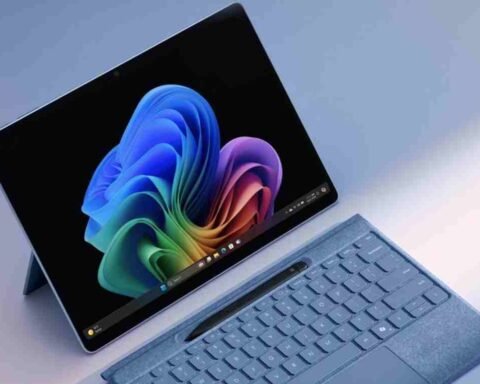
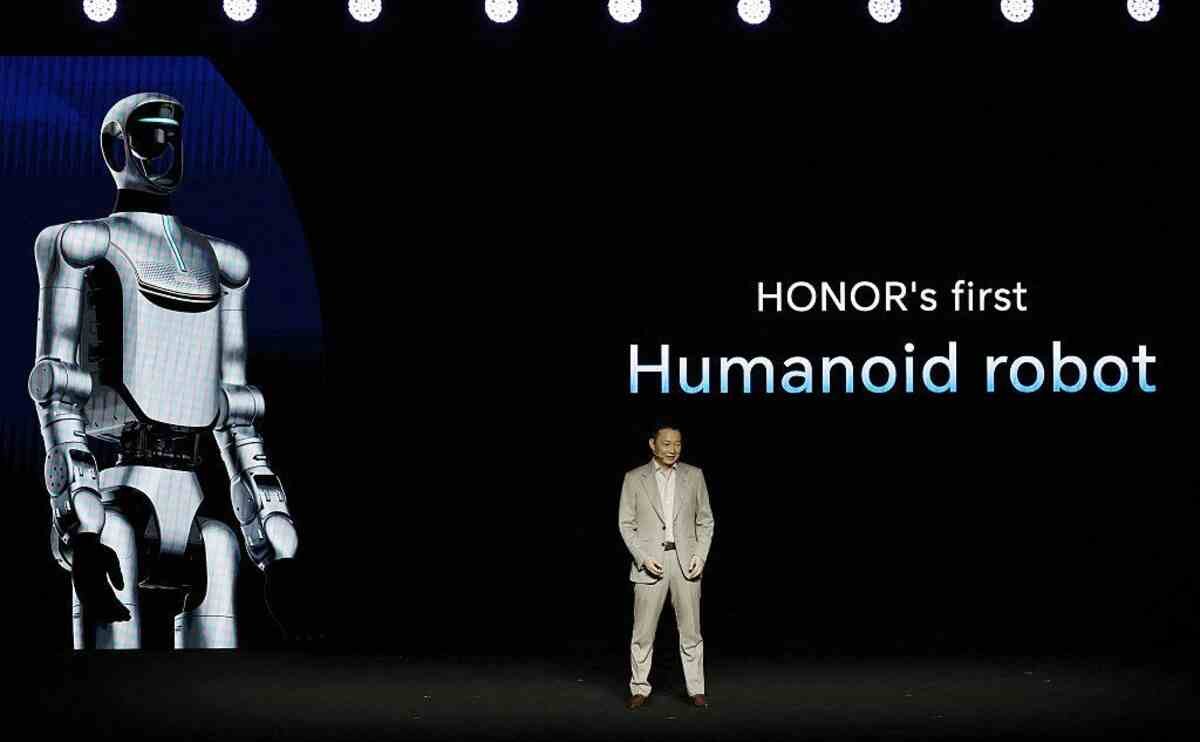
The unveiling also signals Honor’s broader strategy to expand beyond traditional smartphones into a full ecosystem of AI-powered devices. At the same event, the company showcased other innovations including a new foldable phone, AI tablets, and even a humanoid robot concept designed for future consumer applications.
As the race to build the next generation of intelligent devices intensifies, the Robot Phone offers a glimpse into a future where smartphones may not just process information but also move, react, and interact with users in completely new ways. If technologies like this continue to evolve, the smartphone of the future could look far more like a robotic companion than the flat touchscreen device people carry today.