












The workplace of 2026 is rapidly evolving as augmented reality (AR) glasses and intelligent AI mice emerge as powerful new productivity companions. These innovations are moving beyond novelty gadgets to become essential tools that blend seamlessly into daily workflows, boosting efficiency, reducing screen fatigue, and redefining how professionals interact with digital information.
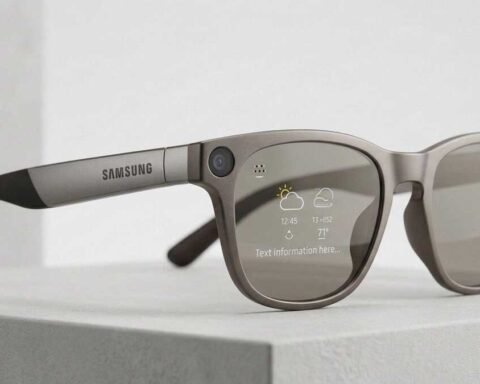
AR glasses have made significant leaps in comfort, battery life, and practical functionality. Leading models from companies like Even Realities, Rokid, and Xreal now weigh under 40 grams and offer all-day wear with crystal-clear displays. Professionals use them to overlay real-time data, documents, video calls, and 3D models directly into their field of view. Architects can walk through virtual building designs on-site, engineers can access schematics hands-free, and executives can review spreadsheets or join meetings while moving between offices. The latest versions integrate advanced AI assistants that understand context, summarize documents on command, and translate conversations in real time.
Integration with existing software ecosystems has been a major breakthrough. Popular productivity suites now support native AR modes, allowing users to pin virtual windows in physical space, create multi-monitor setups anywhere, and collaborate in shared augmented environments. Early adopters report up to 35% gains in task completion speed and significant reductions in neck strain from constant screen glancing. Battery improvements and lighter frames have addressed previous adoption barriers, making AR glasses viable for full workdays rather than short sessions.
Complementing the visual leap are AI-powered computer mice that go far beyond simple pointing devices. These smart mice feature built-in AI processors, customizable gesture controls, and predictive capabilities. They can automatically organize files, suggest next actions based on user patterns, launch frequent workflows with custom buttons, and even transcribe or summarize voice notes. Some models include haptic feedback that guides users through complex interfaces and health-monitoring sensors that remind workers to take breaks or adjust posture.
The combination of AR glasses and AI mice creates a more intuitive and immersive productivity ecosystem. Professionals can use the mouse to interact with virtual elements floating in their AR view, enabling natural hand movements instead of traditional keyboard and trackpad reliance. This hybrid setup supports seamless transitions between physical and digital tasks, particularly valuable for hybrid and remote workers who frequently switch between environments.
Major tech players are accelerating development in this space. Microsoft, Meta, and Apple continue refining their AR platforms while peripheral manufacturers focus on cross-compatible AI input devices. Enterprise adoption is growing fastest in sectors like healthcare, manufacturing, design, and finance, where hands-free access to complex data delivers immediate ROI.
Privacy and security features have improved markedly, with on-device processing reducing cloud dependency and advanced encryption protecting sensitive business information. Companies are also addressing digital eye strain through adaptive brightness, blue light filtering, and ergonomic designs.
As these technologies mature, they promise to reshape office culture. The traditional desk-bound setup is giving way to flexible, location-independent workflows where information follows the user. Training programs now include AR navigation and AI tool mastery, preparing workforces for this new era of augmented productivity.
Industry analysts predict the market for enterprise AR glasses and AI input devices will exceed $15 billion by 2028, driven by measurable productivity gains and declining hardware costs. For forward-thinking companies and professionals, adopting AR glasses and AI mice is no longer optional but essential for staying competitive in an increasingly digital workplace.
The fusion of spatial computing and intelligent input devices marks a pivotal shift toward more natural human-computer interaction. As AR glasses and AI mice continue to advance, they are set to unlock new levels of creativity, efficiency, and work-life balance for millions of professionals worldwide.