














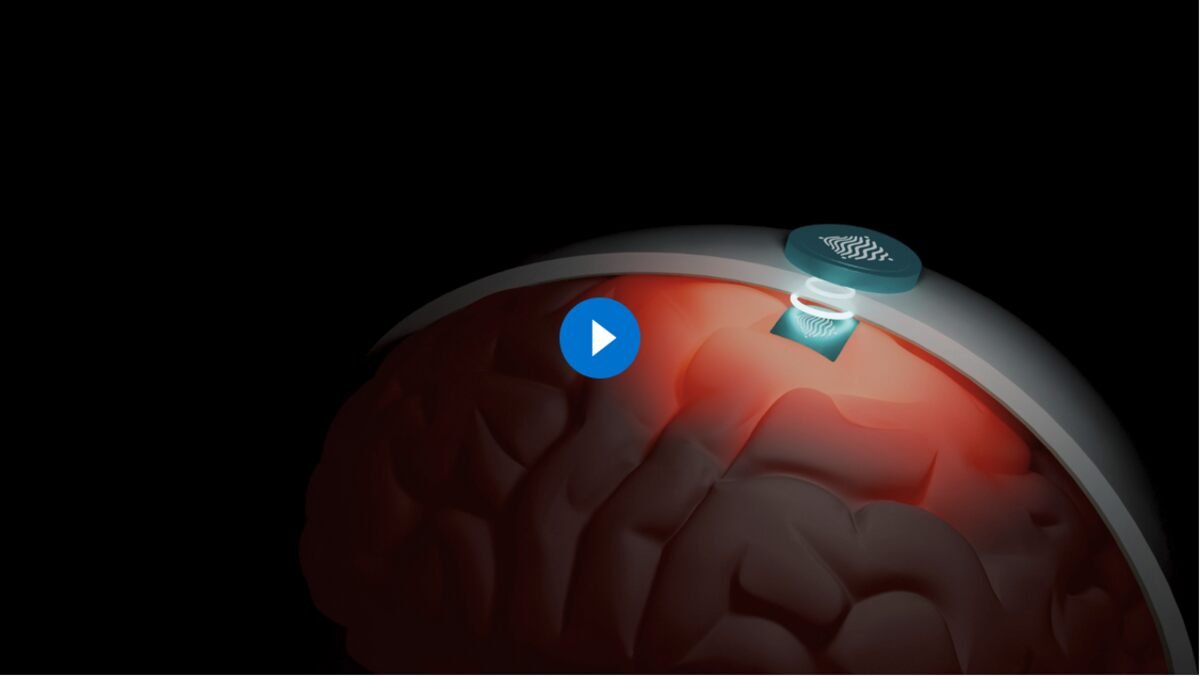
The global race to develop brain chip technology is accelerating rapidly, with multiple companies emerging as strong competitors to Neuralink in the quest to merge human intelligence with machines. What was once considered science fiction is now becoming a tangible reality, as breakthroughs in brain-computer interfaces push the boundaries of neuroscience and artificial intelligence.
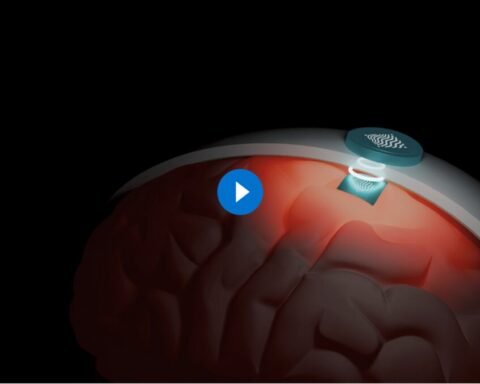
Neuralink, founded by Elon Musk, has long dominated headlines with its ambitious goal of enabling direct communication between the human brain and computers. The company has already conducted early-stage human trials, demonstrating the ability to control digital devices using neural signals. However, it is no longer alone in this space. A growing number of startups and research institutions across the United States, Europe, and Asia are entering the field, each bringing unique approaches and innovations.
One of the key drivers behind this surge in competition is the immense potential of brain chip technology. These devices aim to treat neurological disorders such as paralysis, epilepsy, and Parkinson’s disease by restoring or enhancing brain function. At the same time, they open the door to entirely new capabilities, including memory enhancement, real-time language translation, and seamless interaction with digital systems.
Several emerging companies are focusing on less invasive methods compared to Neuralink’s surgical implants. Some are developing wearable or minimally invasive devices that can read brain signals without requiring complex procedures. This approach could significantly lower barriers to adoption, making the technology more accessible to a broader population.
Advancements in artificial intelligence are playing a crucial role in this evolution. Machine learning algorithms are improving the accuracy of brain signal interpretation, allowing devices to respond more precisely to user intentions. This has led to significant progress in areas such as prosthetic control, where patients can move robotic limbs using thought alone.
Governments and private investors are also heavily funding this sector, recognizing its potential to transform healthcare and human capabilities. The increasing flow of capital is accelerating research and development, leading to faster innovation cycles and more ambitious projects.
Despite the excitement, the race for brain chip dominance is not without challenges. Ethical concerns remain at the forefront, particularly regarding data privacy, security, and the potential misuse of such powerful technology. The idea of directly accessing and influencing the human brain raises complex questions about consent, autonomy, and long-term societal impact.
Regulatory frameworks are still evolving to keep pace with these advancements. Authorities are working to establish guidelines that ensure safety while encouraging innovation. Clinical trials must meet strict standards, and companies are required to demonstrate both the effectiveness and reliability of their devices before they can reach the market.
Another major hurdle is the technical complexity involved in interfacing with the human brain. The brain is one of the most intricate systems known to science, and achieving stable, long-term connections without causing damage remains a significant challenge. Researchers are continuously refining materials, designs, and implantation techniques to overcome these obstacles.
As competition intensifies, collaboration is also emerging as a key trend. Universities, tech companies, and healthcare institutions are forming partnerships to share knowledge and accelerate progress. This collective effort is helping to move the field forward at an unprecedented pace.
The growing rivalry in brain chip development signals a new era in human technology. What started as a bold vision is now evolving into a competitive industry with real-world applications on the horizon. While Neuralink remains a major player, the rise of global competitors ensures that innovation will continue to accelerate.
In the coming years, brain-computer interfaces could redefine how humans interact with technology, blurring the line between biology and machines. As the race unfolds, the focus will not only be on technological breakthroughs but also on ensuring that this powerful innovation is developed responsibly and benefits society as a whole.