

















The global smartphone industry is closing 2025 with renewed momentum as major hardware launches set the tone for what consumers can expect in 2026. Two announcements in particular have drawn widespread attention: the unveiling of the Samsung Exynos 2600 chipset and the launch of the Realme 16 Pro smartphone. Together, these developments highlight how chipmakers and smartphone brands are racing to deliver more power, efficiency, and AI-driven experiences in an increasingly competitive market.
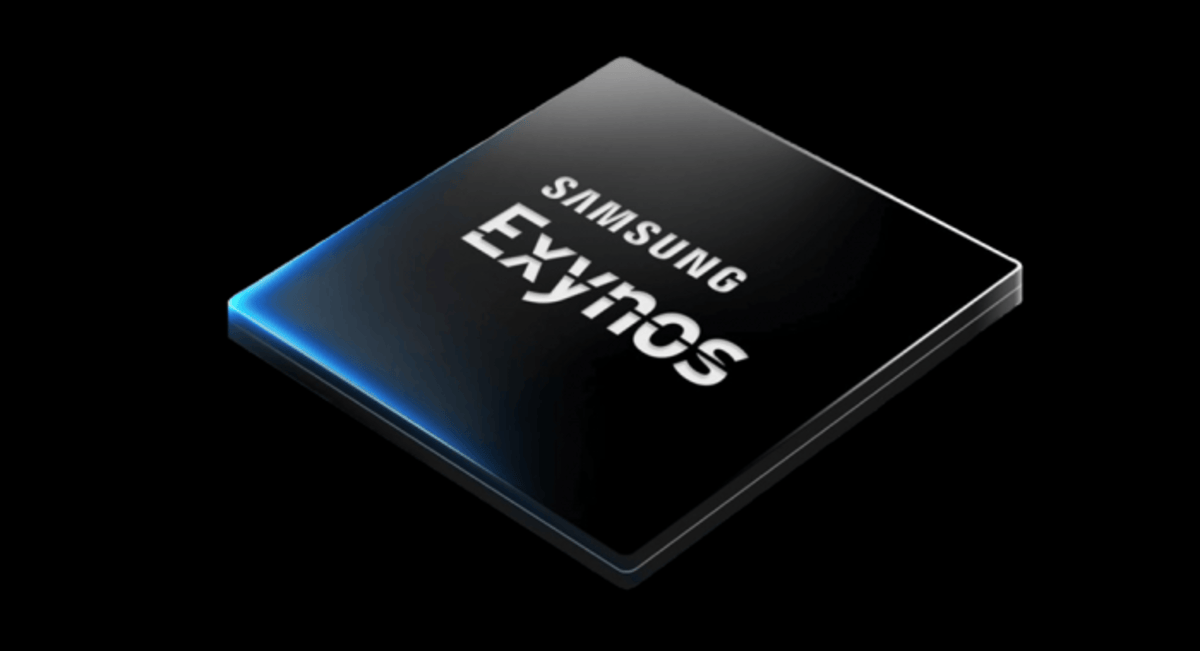
Samsung’s Exynos 2600 represents a strategic move to reclaim ground in the premium chipset segment. After facing criticism in recent years over performance gaps compared to rival processors, Samsung is positioning the Exynos 2600 as a major leap forward. Built on an advanced fabrication process, the chipset is designed to deliver improved power efficiency while supporting next-generation artificial intelligence tasks directly on the device. Industry insiders suggest that the new processor focuses heavily on AI acceleration, gaming optimization, and enhanced image processing, reflecting evolving user demands.
The launch of Exynos 2600 is also significant for Samsung’s broader semiconductor ambitions. As global demand for custom and AI-focused chips grows, Samsung is aiming to strengthen its position not just as a smartphone brand but as a leading chip supplier. The Exynos lineup is expected to play a crucial role in upcoming flagship devices across multiple regions, particularly in markets where Samsung continues to rely on its in-house processors. Analysts view this move as an effort to reduce dependency on external chipmakers while offering tighter integration between hardware and software.
At the same time, Realme has captured attention with the launch of the Realme 16 Pro, a device that targets the premium mid-range segment while borrowing features traditionally reserved for flagship smartphones. The 16 Pro reflects Realme’s aggressive strategy of delivering high-end specifications at competitive pricing, a formula that has helped the brand gain strong traction among younger consumers in Asia and Europe.
The Realme 16 Pro is positioned as a performance-focused smartphone, featuring a high-refresh-rate display, advanced camera hardware, and fast charging technology. Early reactions highlight the phone’s emphasis on photography and gaming, two areas where user expectations have risen sharply. By integrating powerful processing capabilities and AI-enhanced camera features, Realme aims to blur the line between mid-range and flagship devices.
The timing of these launches is particularly notable. Smartphone sales globally have shown signs of stabilization after a period of slowdown caused by economic uncertainty and longer upgrade cycles. Brands are now focusing on meaningful innovation rather than incremental updates to encourage consumers to upgrade. The combination of more capable chipsets like Exynos 2600 and feature-rich devices such as the Realme 16 Pro reflects this shift toward value-driven innovation.
From a market perspective, these launches intensify competition across multiple fronts. Samsung’s renewed focus on Exynos chips could reshape dynamics in regions where consumers have been vocal about processor performance differences. A successful rollout would not only strengthen Samsung’s smartphone portfolio but also boost confidence in its semiconductor division. For Realme, the 16 Pro reinforces its ambition to challenge established players by offering premium experiences without premium pricing.
The broader industry impact extends beyond these two products. As chipmakers push AI processing onto devices and smartphone brands prioritize performance efficiency, developers are expected to design apps and services that take advantage of on-device intelligence. This could reduce reliance on cloud processing, improve privacy, and enable faster real-time features across gaming, photography, and productivity.
Looking ahead to 2026, the Exynos 2600 and Realme 16 Pro serve as early indicators of where the smartphone industry is heading. Consumers can expect smarter devices, stronger performance, and tighter integration between hardware and software. While competition remains fierce, these launches demonstrate that innovation in the smartphone space is far from slowing down. Instead, it is entering a phase where efficiency, intelligence, and user-centric design are becoming the defining factors of success in a rapidly evolving global market.