


















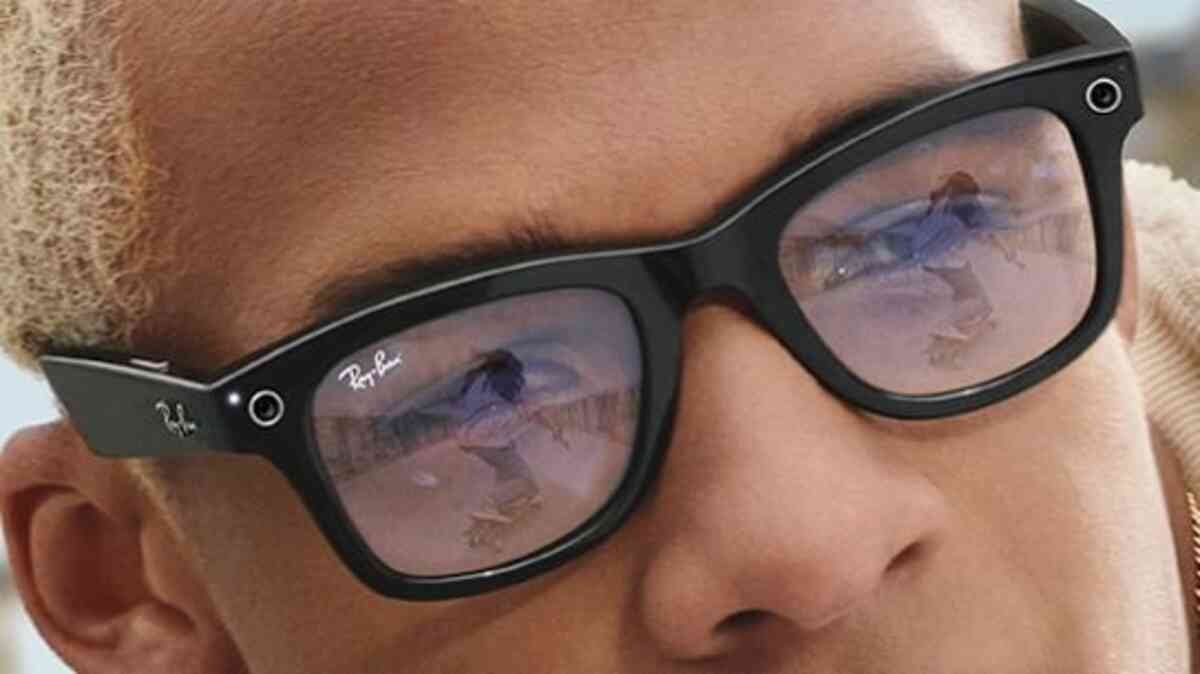
Privacy advocates are raising red flags over Meta’s reported plans to add real-time facial recognition to its popular Ray-Ban and Oakley smart glasses, warning the feature could turn everyday eyewear into a powerful surveillance tool. More than 70 civil rights, domestic violence, LGBTQ+, immigrant, and labor organizations—including the ACLU, EPIC, Fight for the Future, and the National Organization for Women—have sent a strongly worded open letter to Meta CEO Mark Zuckerberg demanding the company immediately abandon the project. Internally referred to as “Name Tag,” the technology would let wearers silently identify strangers in public by matching faces to vast databases of personal information.
The coalition argues that embedding facial recognition into lightweight, stylish glasses already equipped with cameras and microphones would eliminate any remaining sense of anonymity in public spaces. Stalkers, abusers, scammers, and even government agents could instantly pull up names, addresses, social media profiles, health records, and relationship details without the targeted person ever knowing. Advocates highlight particularly vulnerable groups: survivors of domestic violence who rely on public anonymity for safety, immigrants avoiding detection, LGBTQ+ individuals in conservative areas, and protesters exercising their First Amendment rights. “People should be able to move through their daily lives without fear that stalkers, scammers, abusers, federal agents, and activists across the political spectrum are silently and invisibly verifying their identities,” the letter states.
This latest controversy builds on existing worries about Meta’s smart glasses. The current Ray-Ban Meta models already allow discreet video and photo capture with only a tiny LED indicator that critics say is too easy to hide or ignore. Recent investigations revealed that footage from users who opt into AI training is reviewed by human contractors in Kenya, sometimes exposing highly personal moments including bedroom scenes, bathroom visits, and sensitive documents. A class-action lawsuit filed in March 2026 accuses Meta of misleading customers by promising privacy controls while routing raw video to overseas reviewers. These revelations have only amplified fears about what happens when facial recognition is layered on top.
Meta has a complicated history with the technology. The company famously disabled facial recognition on Facebook in 2021, citing privacy and legal concerns after years of backlash. Yet internal documents suggest executives see a “dynamic political environment” as an opportune moment to reintroduce it through wearable hardware rather than social media. Sources close to the project indicate Meta is aiming for a launch as early as late 2026, viewing the glasses as the perfect vehicle for its AI ambitions. The glasses already integrate Meta AI for voice commands, object recognition, and live translation—features users love—but adding live face matching would cross a line that many experts say society is not ready to accept.
Civil liberties groups are not stopping at letters. The Electronic Privacy Information Center has urged the Federal Trade Commission and state attorneys general to investigate and block the rollout, calling the feature an escalation of already “serious and apparently unlawful” privacy risks. Lawmakers have also joined the chorus, with senators pressing Meta for details on consent mechanisms, bias testing, and misuse prevention. Consumer watchdogs point out that while the glasses might feel futuristic and convenient for the wearer, they turn every bystander into unwitting data points without meaningful opt-in or notification.
Tech analysts note that Meta is not alone in exploring advanced AI for wearables. Competitors like Apple are testing smart glasses of their own, but none have signaled plans for public-facing facial recognition. The backlash underscores a broader tension in the wearable tech boom: the race to pack powerful AI into everyday objects is clashing with growing public demand for stronger privacy protections. As smart glasses move from niche gadget to mainstream fashion accessory, the stakes have never been higher.
For now, Meta has not publicly responded to the coalition’s demands. Users who already own Ray-Ban Meta glasses continue to enjoy hands-free calling, music, and AI assistance, but many privacy-conscious consumers say they are thinking twice before upgrading. The coming months could determine whether Meta’s ambitious vision for AI-powered eyewear becomes reality—or whether widespread opposition forces the company to rethink its approach once again. In an era where technology increasingly blurs the line between convenience and surveillance, the debate over facial recognition in smart glasses may shape the future of personal privacy for years to come.