














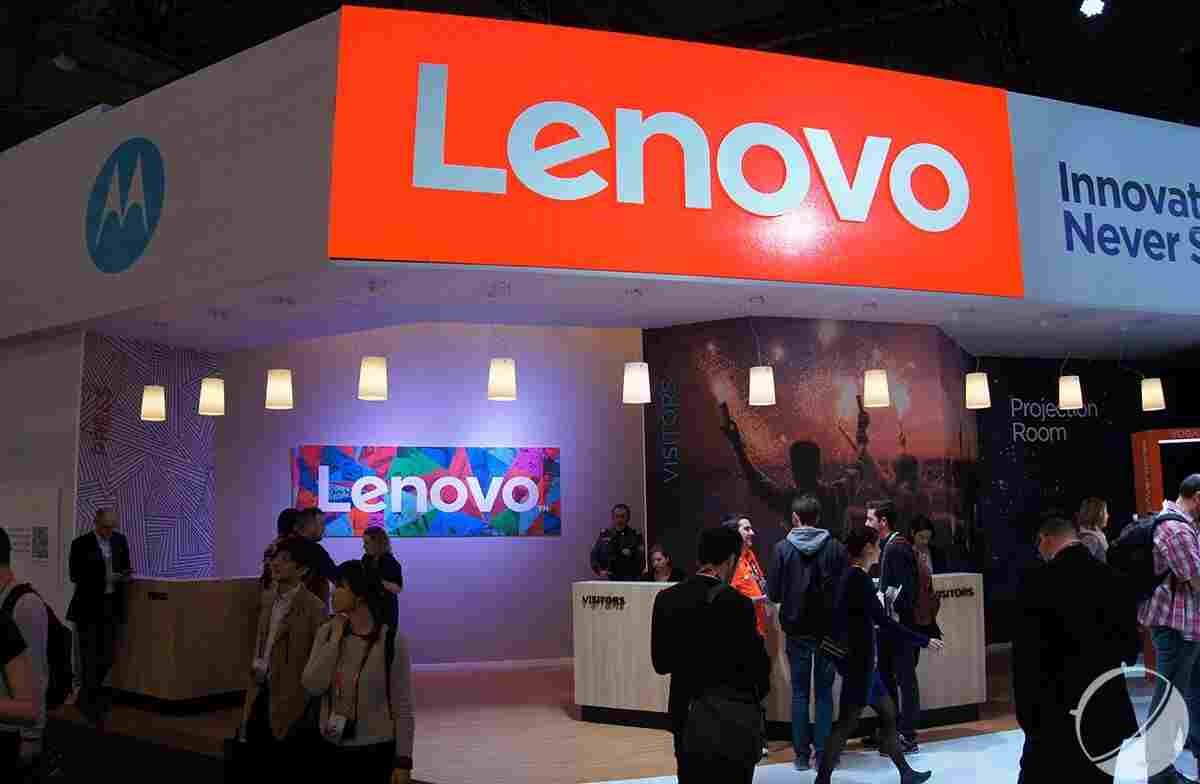
Lenovo and Motorola have officially launched Qira, a groundbreaking cross-device AI assistant platform designed to redefine how users interact with technology in an increasingly connected world. Announced as part of broader AI initiatives at CES 2026, Qira represents a major step forward in contextual intelligence, allowing seamless understanding and action across smartphones, laptops, tablets, and smart home devices.
Unlike traditional voice assistants that operate in silos, Qira functions at the system level, comprehending user context and suggesting intelligent follow-up actions in real time. The platform leverages advanced AI models to analyze ongoing activities, predict needs, and coordinate responses across ecosystems. For instance, starting a task on a Motorola smartphone can continue effortlessly on a Lenovo laptop, with Qira maintaining continuity while offering proactive recommendations based on user habits and preferences.
Industry experts hail Qira as a significant evolution in personal AI computing. By integrating deeply into hardware and software layers, the platform minimizes friction that has long plagued multi-device users. Early demonstrations showed Qira handling complex workflows, such as pulling calendar details during a call, summarizing meeting notes, and automatically drafting emails with relevant attachments—all without manual switching between apps or devices.
Bill Zarkalis-style leadership comments from Lenovo executives emphasize Qira’s focus on privacy and efficiency. The assistant processes much of its intelligence on-device, reducing cloud dependency while incorporating robust security measures to protect user data. This hybrid approach addresses growing concerns about AI privacy in consumer technology.
The launch timing aligns with surging demand for smarter personal assistants amid rapid AI adoption. As remote work, digital nomadism, and smart home integration become mainstream, platforms like Qira fill a critical gap. Motorola plans initial rollout on upcoming flagship smartphones, while Lenovo will integrate Qira into its latest ThinkPad, Yoga, and Legion series devices. Broader ecosystem expansion, including partnerships with other manufacturers, is expected later in 2026.
Technical specifications highlight Qira’s capabilities. Powered by next-generation AI silicon optimized for edge computing, the platform supports natural language understanding, visual context awareness through device cameras, and predictive analytics. Users can trigger actions via voice, gesture, or contextual cues, making interactions more intuitive than ever before. Cross-device synchronization happens securely over encrypted local networks or low-latency cloud connections when necessary.
Early user feedback from beta testers praises Qira’s ability to reduce cognitive load. Professionals report saving significant time on routine tasks, while students and creatives appreciate its assistance in research, content creation, and organization. The platform also includes accessibility features, such as enhanced voice controls and adaptive interfaces for users with different needs.
This launch positions Lenovo and Motorola as frontrunners in the race toward ambient computing, where technology fades into the background and anticipates user requirements. Competitors like Apple’s ecosystem tools and Google’s Gemini integrations face new pressure to match Qira’s cross-brand interoperability ambitions. Analysts predict that successful adoption of Qira could accelerate hardware sales for both companies while establishing new standards for AI assistants.
Beyond consumer benefits, Qira holds potential for enterprise applications. Business users could benefit from secure, context-aware assistance across company-issued devices, streamlining collaboration and productivity. Lenovo has already teased enterprise-grade versions with additional compliance and management features.
As artificial intelligence continues permeating daily life, platforms like Qira signal a shift from reactive tools to proactive companions. The cross-device nature addresses a core frustration in modern technology usage, where fragmented experiences often hinder rather than help. With its system-level integration and focus on real-world utility, Qira sets a new benchmark for what intelligent assistance should deliver.
Looking ahead, future updates are expected to incorporate more advanced multimodal capabilities, deeper smart home integration, and enhanced personalization through machine learning. Lenovo and Motorola’s commitment to regular improvements suggests Qira will evolve rapidly based on user input and technological advancements.
The Qira launch underscores the accelerating pace of AI innovation in consumer electronics. By solving persistent pain points around device fragmentation, this platform could fundamentally change how people work, create, and connect in the latter half of the 2020s. As availability expands across more devices and regions, Qira stands poised to become an indispensable part of the modern digital lifestyle.